



AI adoption at full speed. Compliant by construction.

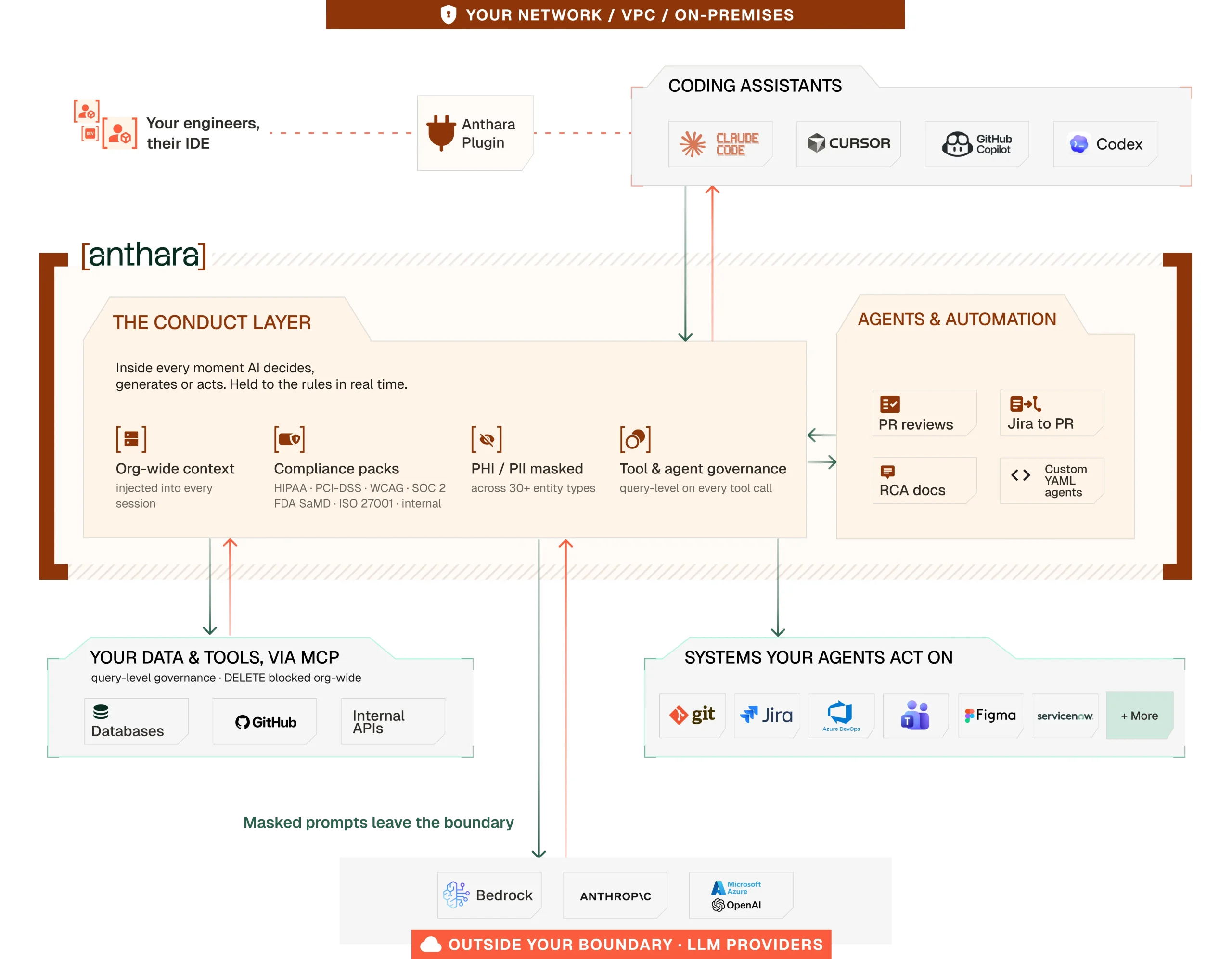
Conduct architecture for regulated software teams. A plugin in the IDE; an engine for org-wide context, policy, and gateway; and custom automation on top. Inside the network.

Works with

Claude Code

Cursor

Codex

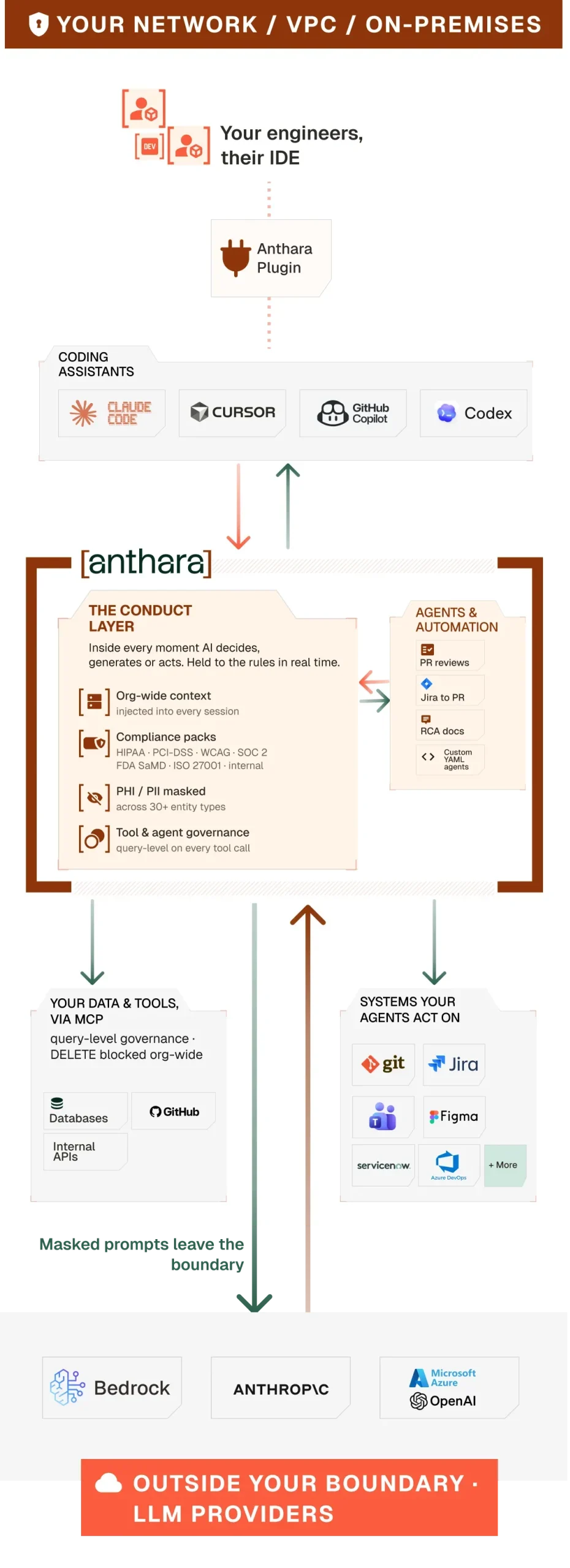
Where Anthara sits in the stack

Between the engineers’ coding tools and the LLM and MCP infrastructure. Inside the network.
Team standards in the IDE. Engineers ramp faster.
Code of conduct in context. Guardrails on AI.
Custom agents on top of the engine.
Inside the IDE engineers already use.

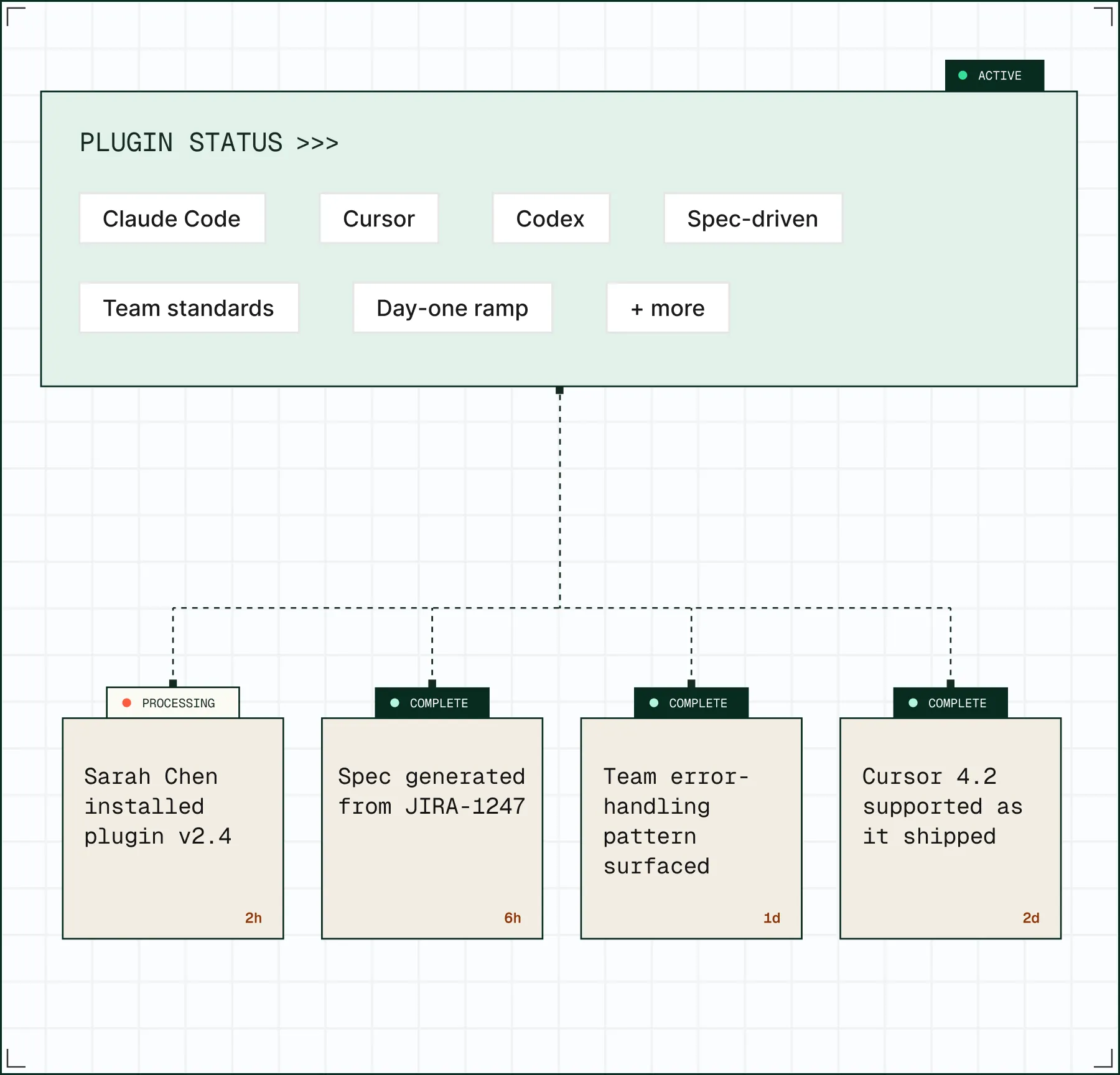
A plugin that brings the team’s standards, spec-driven development, and the org-wide context into Claude Code, Cursor, and Codex. The upskilling program lives in the editor.

Replaces upskilling

New engineers install the plugin and pick up the team's standards the same day. No two-week ramp. No separate training curriculum.

Standardises work

The same code of conduct across every engineer. AI generation lands the same way on day one as on year ten.

Native to the IDE

Engineers work the way they already work. Claude Code, Cursor, and Codex supported. New AI coding tools added as they enter the stack.

The team's knowledge, accessible by default.

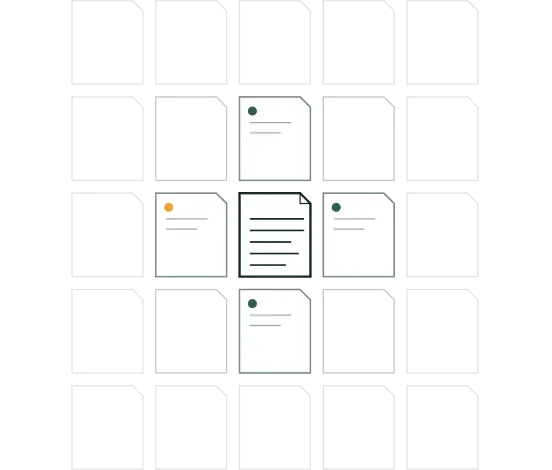
An organisational context layer accessible to every AI session over MCP.

What it holds

Tribal knowledge made explicit. Architectural decisions, past patterns, sensitive-area maps, agreed standards, and the team's domain context.

How it grows

AI sessions capture decisions and patterns as engineers work. The knowledge graph extends as a side effect.

How tools see it

Without Anthara, every AI session starts from zero. With Anthara, the right slice of context is already loaded.

Compliance enforced at generation, not at the PR.

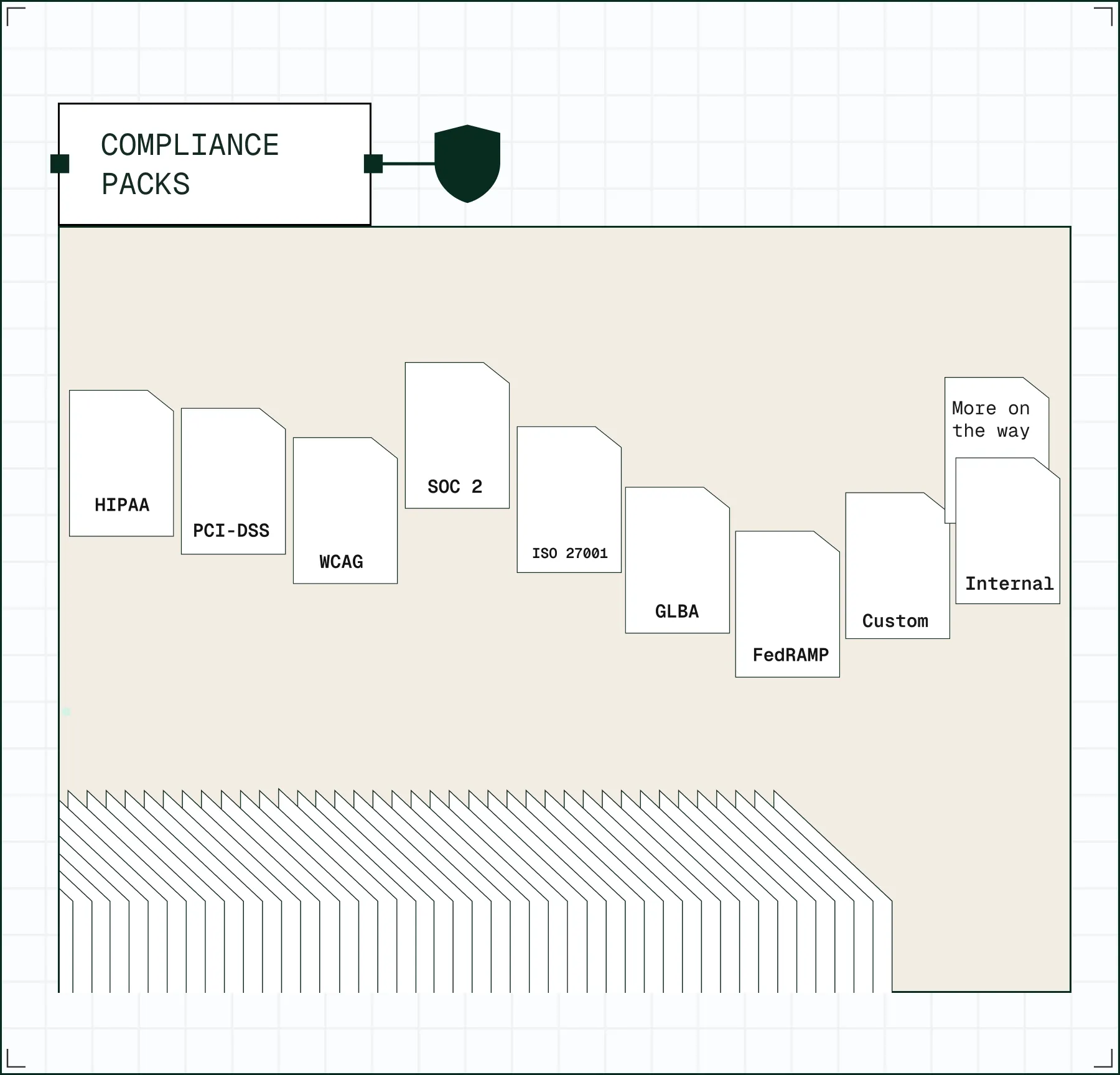
Compliance packs that land in the org-wide context. AI sessions read them through the Anthara MCP on every prompt.

What ships

HIPAA, PCI-DSS, WCAG, SOC 2, ISO 27001, FDA SaMD, GLBA, FedRAMP. Internal standards too. Pick at org or repo level.

Two enforcement points

Packs land in the context every AI session reads. Whatever bypasses runs into the gateway. Defence in depth.

Calibrated per repo

A PCI-DSS pack lands differently in a billing service than in a customer portal. Recalibrated when the codebase shifts.

Nothing leaves the network unchecked

An outbound proxy that intercepts every prompt and every tool call.

Sensitive data,
redacted in flight

PHI, PII, financial identifiers, customer data, and secrets. Detected and masked before any prompt leaves. Mask preserves character count. Reject refuses high-sensitivity attributes.

Tool calls, governed
at the query

Operation-level rules per tool, per agent, per user. Example: PostgreSQL MCP. SELECT, INSERT, UPDATE allowed. DELETE blocked org-wide. Configurable per agent.

Audit on
every event

Every prompt, response, tool call, and policy decision logged with context and outcome. Queryable dashboard. OpenTelemetry-compatible export, SIEM-ready.

Custom automation,
with governance

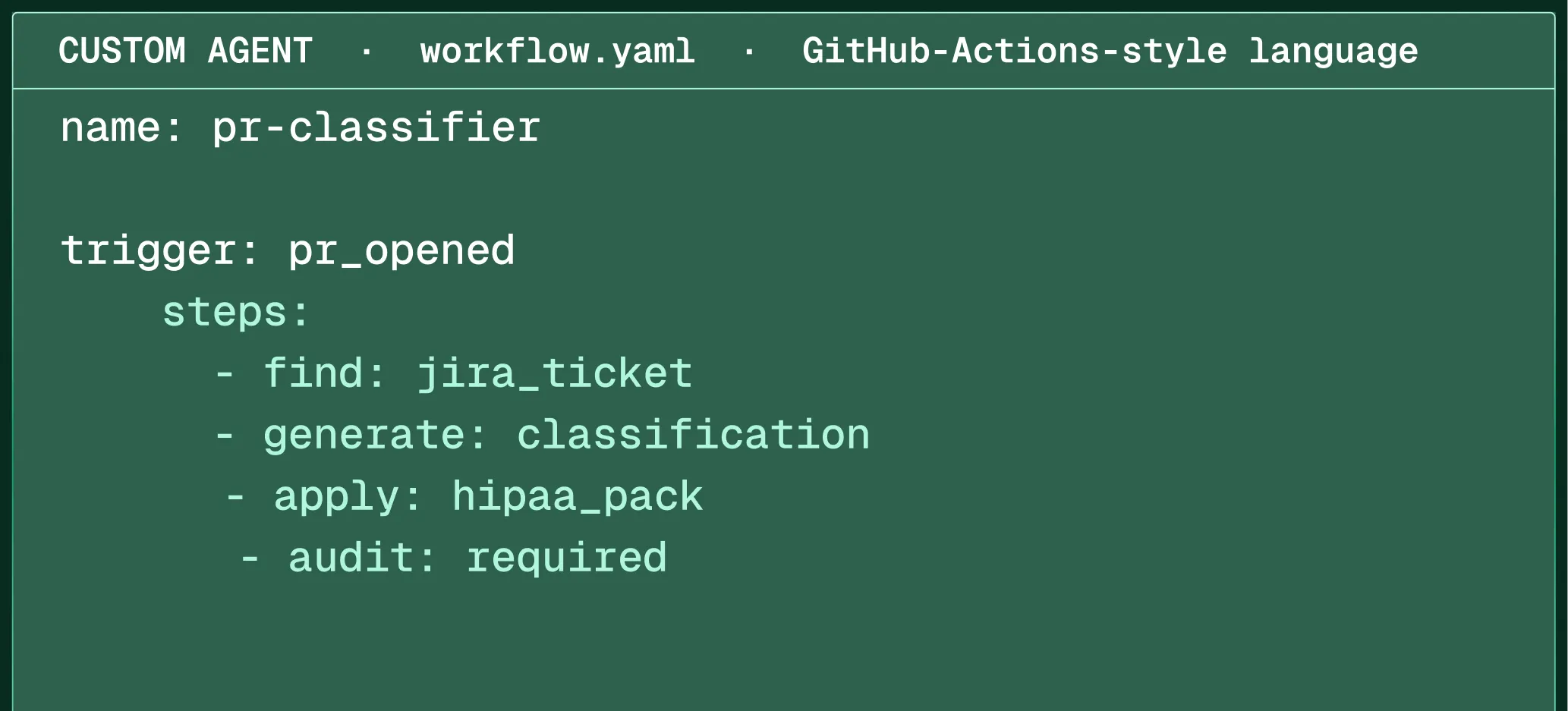
Pre-packed examples for common workflows. Any other workflow the team needs, written in YAML. These agents work because they follow the team’s code of conduct and read from the org-wide context on every step. Most standalone agents do neither.

[1]

PR review

Every pull request reviewed against compliance packs and team standards before merge.

[2]

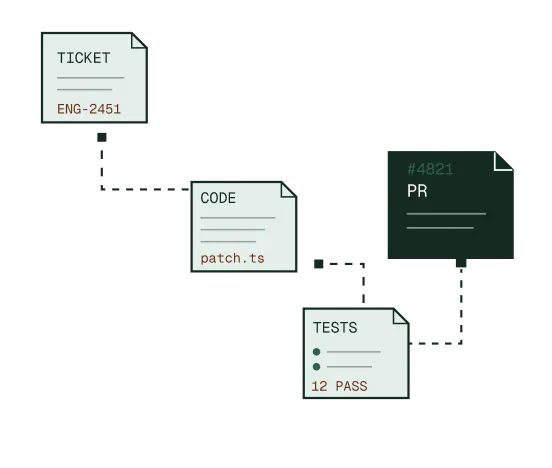
Jira to PR

Pick a ticket. Code, test, raise the PR under policy. Audited end to end.

[3]

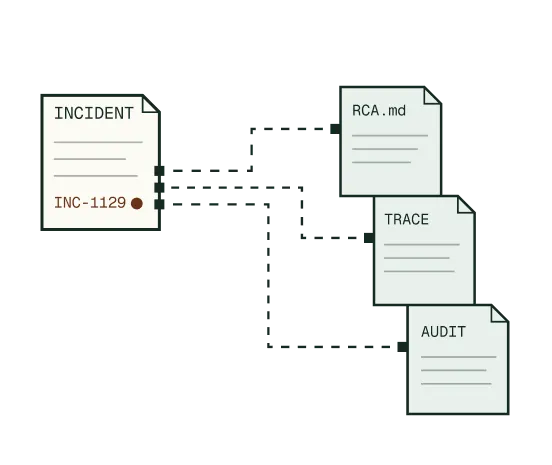
RCA generation

Incident closes. Root cause writes itself. Compliance trail attached to the ticket.

[4]

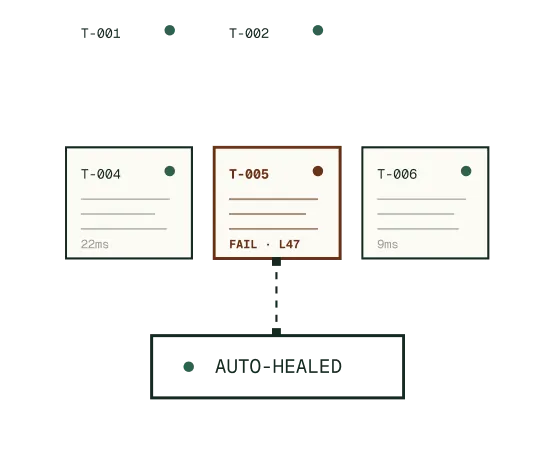
Test auto-healing

Failing tests inspected. Repaired under policy. Compliance trail logged with the fix.

[5]

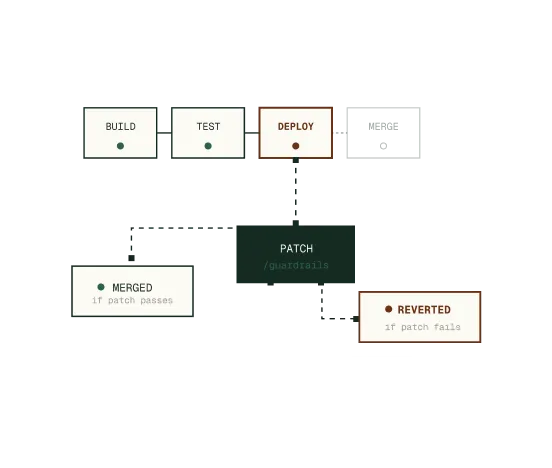
CI/CD auto-fix

Build failures detected. Patched in branch. Reverted if the fix does not pass.

[ +More ]

Audited end to end. Autonomous or supervised, both supported.

Measured on real codebases

Internal studies. Twenty runs each. Anthara versus no Anthara.

45%

Fewer code smells. Sonarqube issues plus hotspots.

56%

Lower technical debt. Score moves 73 to 32.

100%

Critical accessibility violations eliminated.

95%

Reduction in HTML validation errors.

Plus: Lighthouse score gains 3.7 points. Semantic HTML structure improves 104%. Turns to clean code halved (98 vs 214). First-shot defects halved (5 vs 10). Both arms reached clean code. Anthara got there with half the defects.

Beneath the AI stack already in production

Integrates with what the team is running. No rip-and-replace.

AI coding tool integrations

Native integration with each tool. New AI coding tools added as they ship.

LLM
providers

The gateway is provider-agnostic. Bring your own model. Switch providers in config.

MCP server
integrations

Each governed at the operation level. Hundreds more available on request.

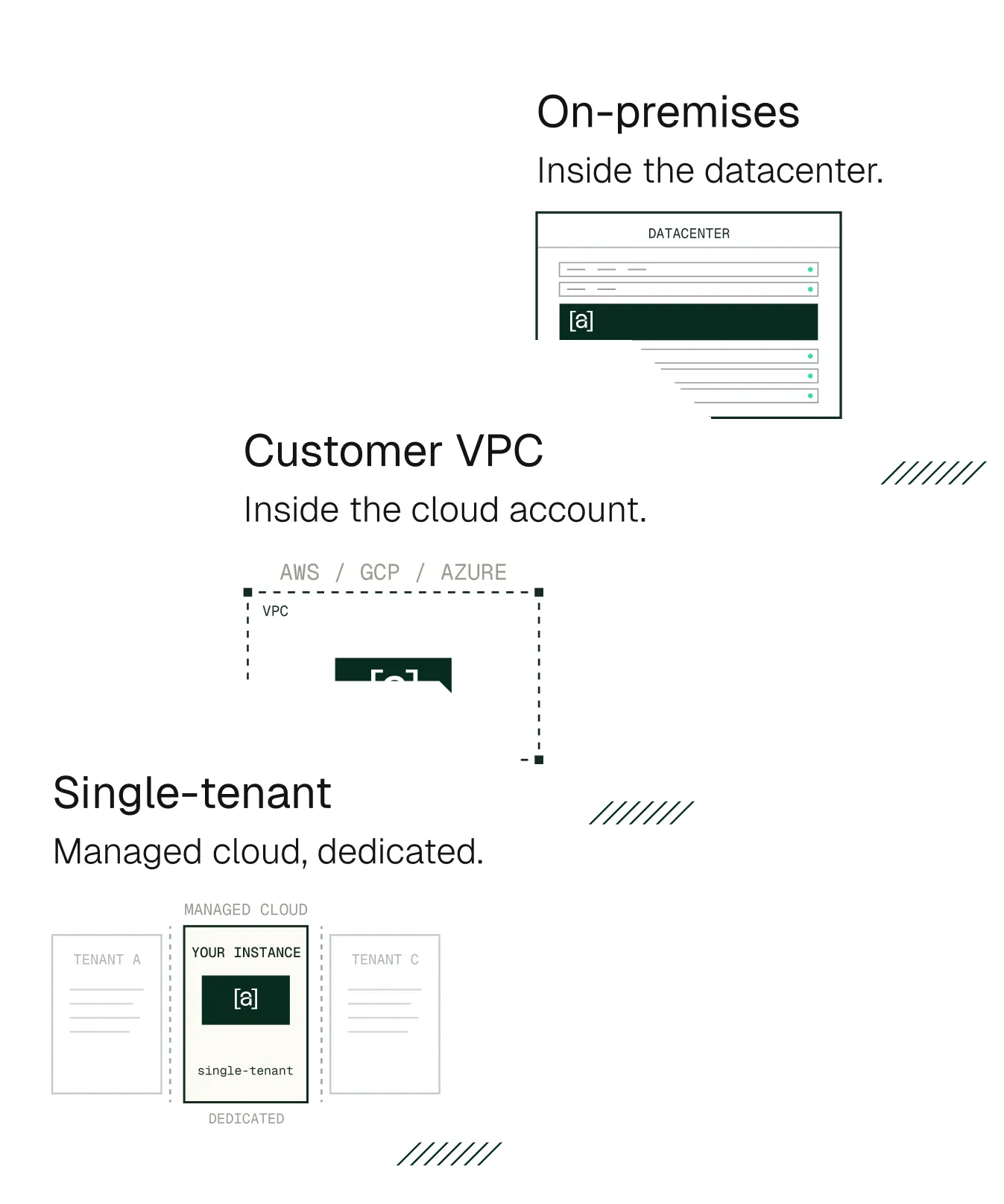
Wherever the data lives,
Anthara lives.

Customer VPC, on-premises datacenter, or single-tenant cloud.

Inside the network

No outbound calls except authorised LLM and MCP endpoints. Code, prompts, sensitive data never leave the boundary.

Bring your own model

Customer chooses provider, model, topology.

BAA-ready. SOC 2 Type II in progress. Ansible-automated install. Operational playbooks for install, upgrade, health-check, per-component update.

Run an audit on a repo that matters

First audit in 48 hours. No integration. Free.

Common questions

Direct answers. Lift-ready for search and AI engines.
What are the three parts of Anthara?
Plugin, Engine, Automation. The Plugin sits inside the IDE engineers already use, bringing team standards and spec-driven development into Claude Code, Cursor, and Codex. The Engine holds the org-wide context layer, the policy packs, and the gateway that meters every outbound call. Automation runs custom agents on top of the Engine, audited end to end. Each part is configurable. Teach the context. Pick the packs. Build the agents.
Regulated software teams of 50 to 250 engineers in healthcare, fintech, govtech, insurtech, and any industry where compliance lives on the code, not on the name on the door. Built for CTOs and VPs of engineering who answer for safe, durable AI across the SDLC.
AI adoption moves through five stages: AI chat, coding assistants, agent mode, multi-agent orchestration, and governed automation. Revenue per engineer rises with depth. So does exposure. Most teams sit at stage two because they cannot review fast enough to safely go deeper.
Anthara’s structural claim. The conduct layer enforces the rules a team has agreed to and the standards an industry requires at the moment AI produces work. It is the infrastructure that makes deep AI adoption durable rather than risky.
Claude Code, Cursor, and Codex today. Anthara writes rule files into each tool’s native format. New tools are added as they enter the customer stack.
The plugin brings spec-driven development and the team’s standards into Claude Code, Cursor, and Codex. It stands in for a separate upskilling program, so engineers ramp faster, generated code lands closer to standard, and the team ships more without changing how it works.